Studio2
5 Errors
5 Fascinations
Problematizing Ethics
Problematize Narrative
Problematize Objects
Concepts
- Low tech
- Mobility
- Non-human perspective
- Multispecies
Project 1
How to standardize the design and creation of a bicycle using low tech so everyone could make them at home
Project 2
Multispecies justice in the city, understanding how the city affects other species and taking their perspective
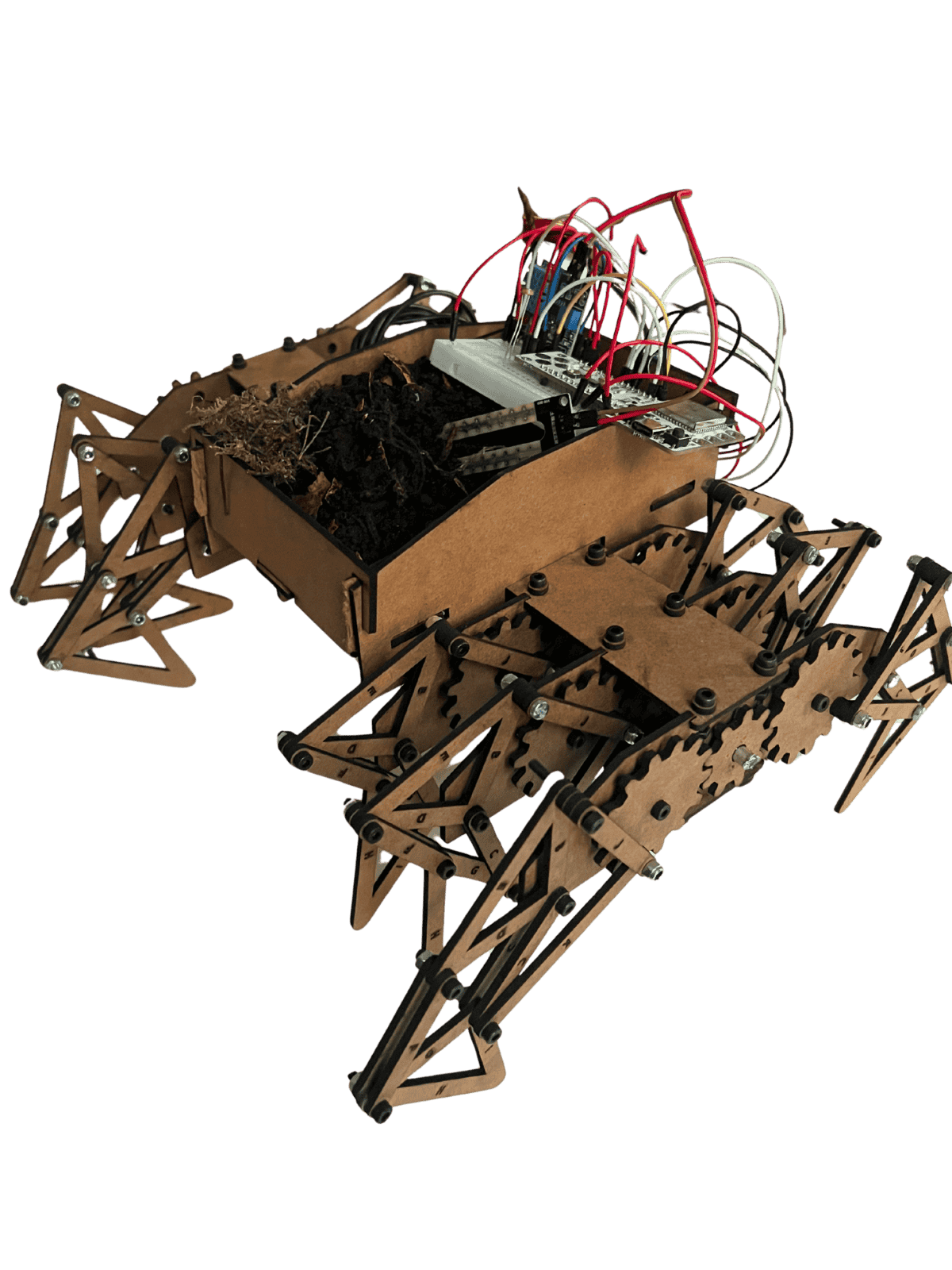
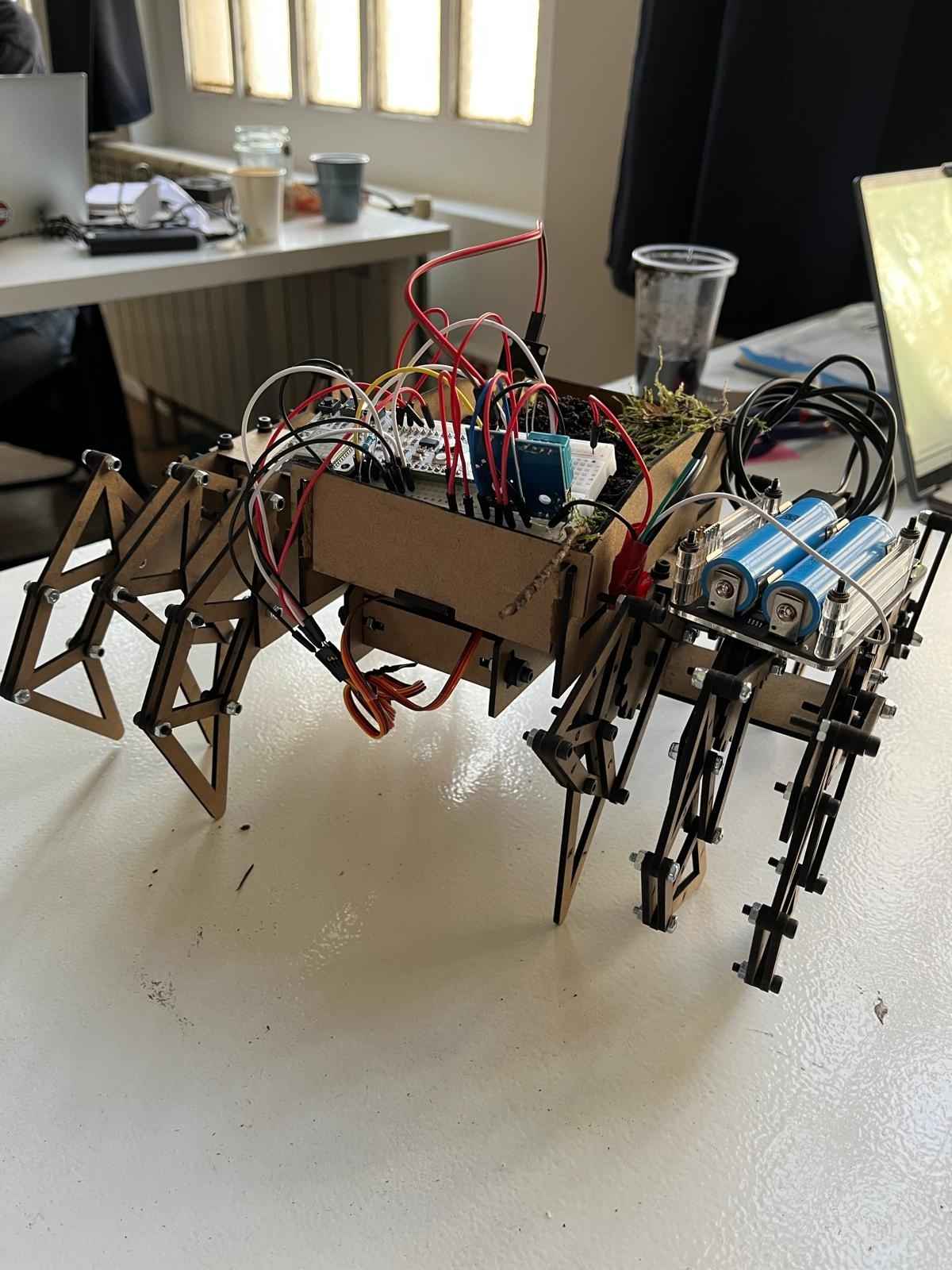
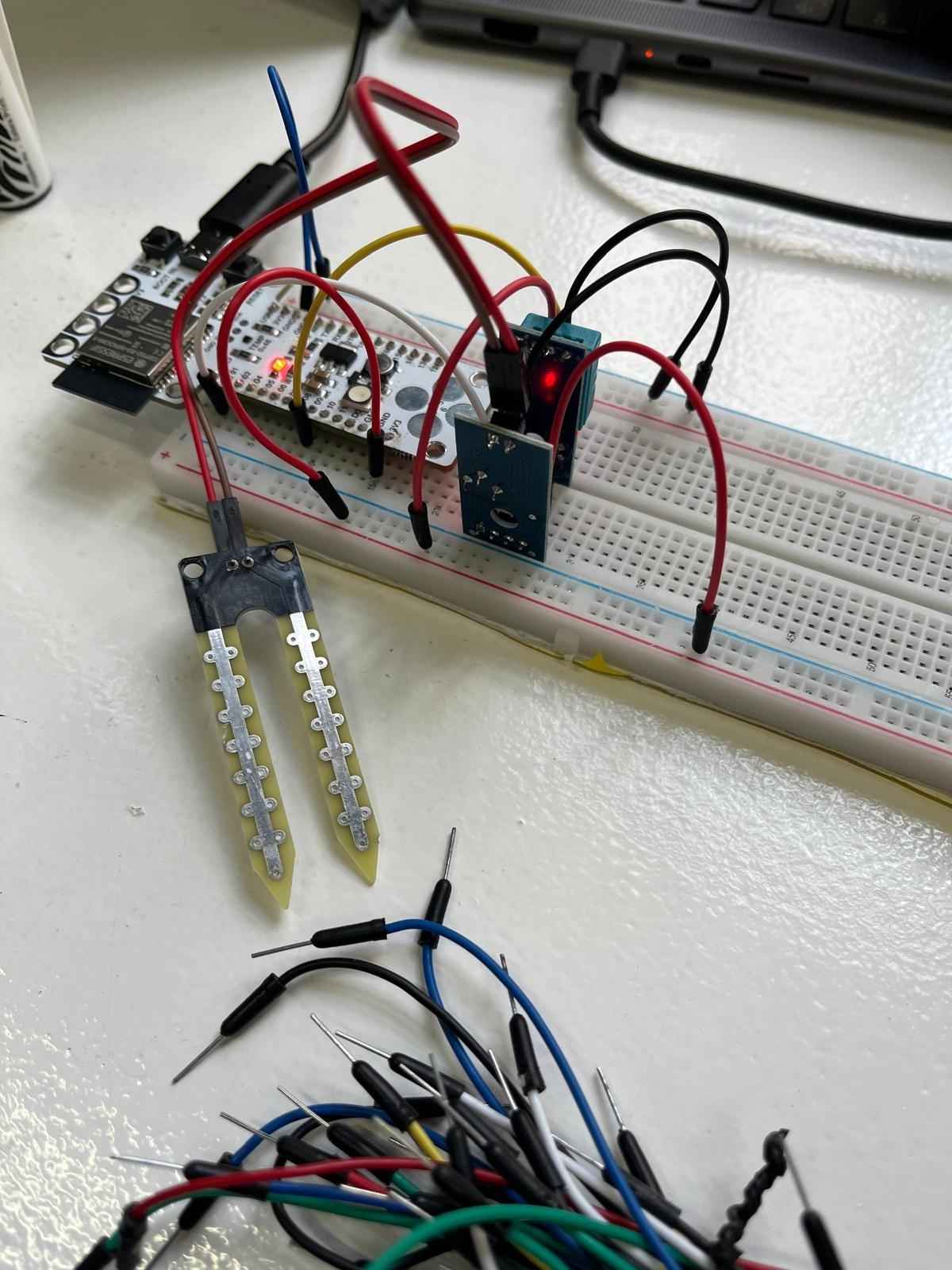
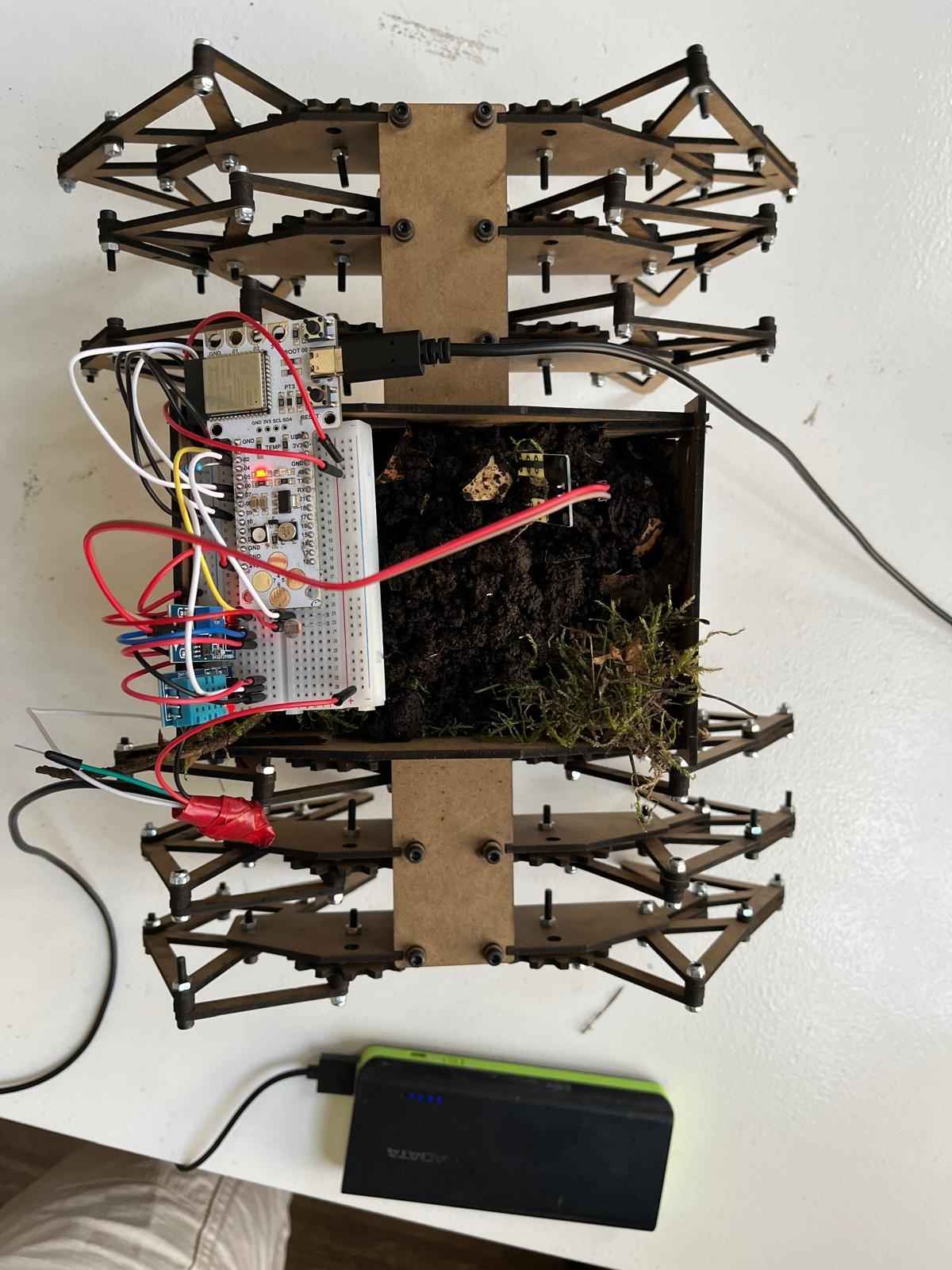
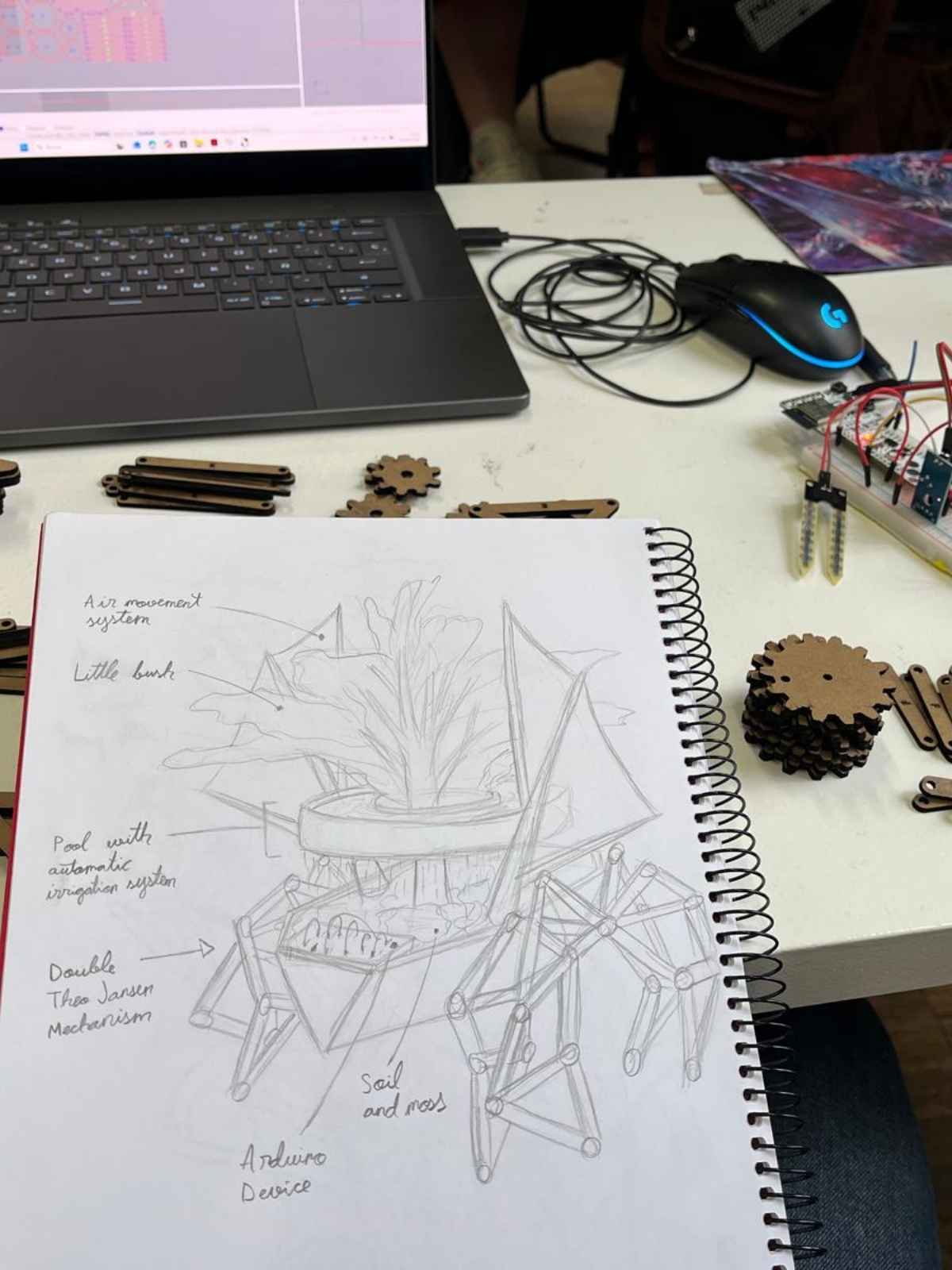
This project proposes a mobile micro-habitat designed to support non-human life in hostile urban environments. The habitat moves because urban hostility is not static: heat, shade, dryness, and exposure constantly shift across the city. While human bodies can adapt by relocating, most insects and small organisms cannot escape these changing conditions.
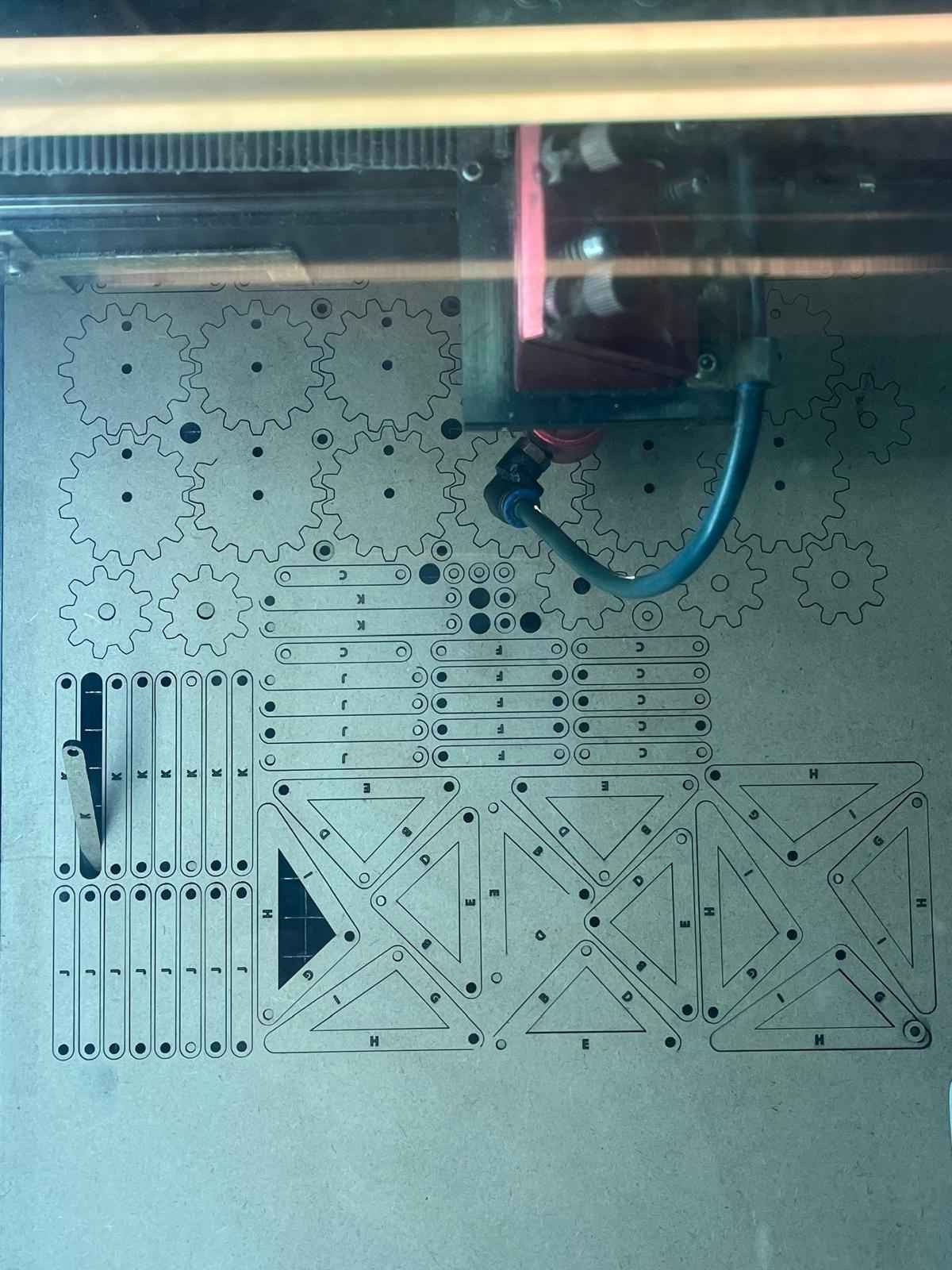
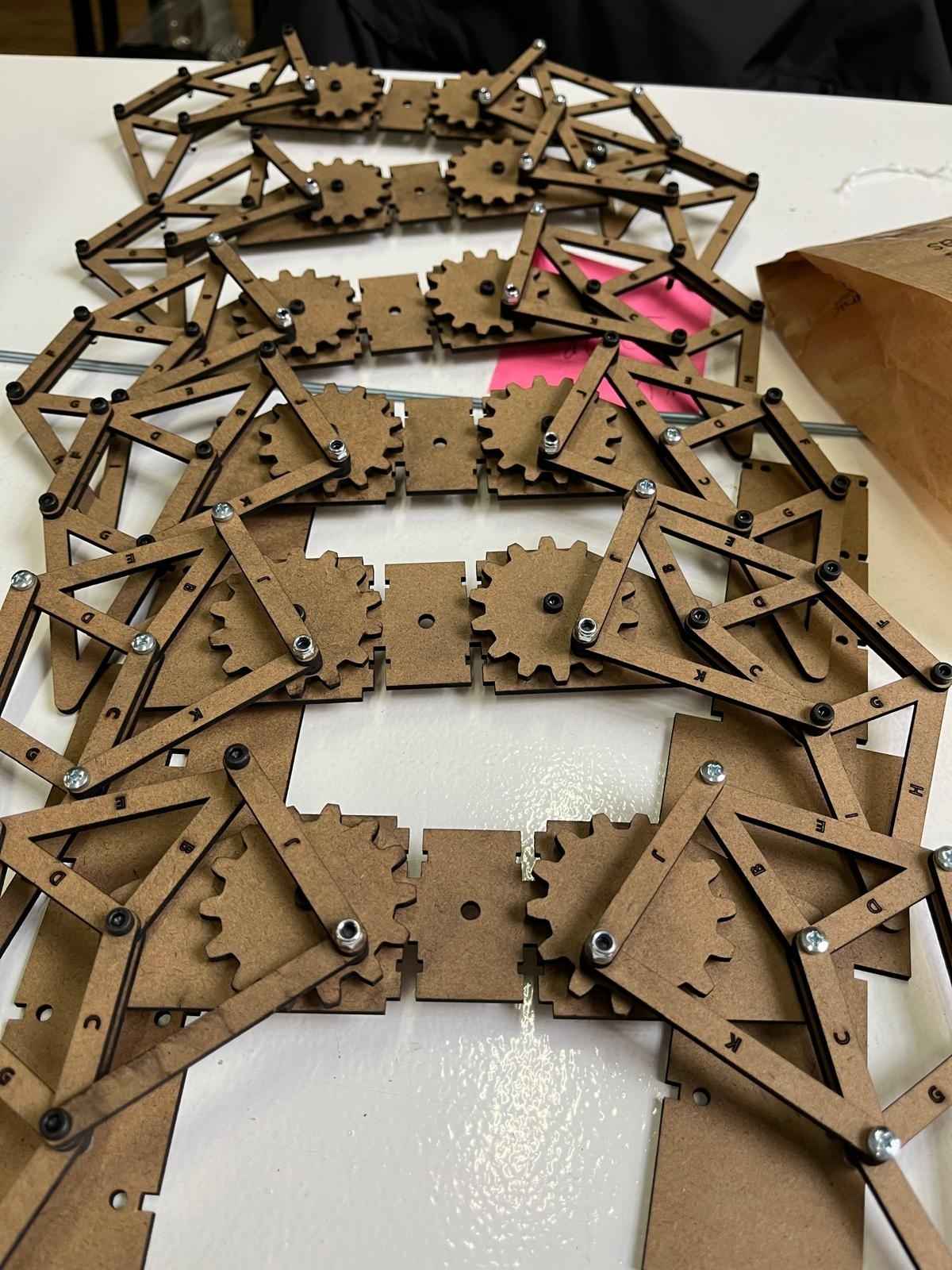
Rather than stabilizing the environment through technological control, the project responds through displacement. Mobility becomes a survival strategy, not a feature. Inspired by walking mechanical structures, the habitat autonomously relocates when environmental conditions exceed tolerable thresholds, transporting shade, humidity, and shelter across the urban landscape.
Problematize Space

This two diagram explain the relationship between urban infrastructures, ecological stress, and human perception.
The Structural Systems circle maps the broader forces shaping the urban environment. It illustrates how infrastructures such as energy, mobility systems, real estate development, agriculture, and the lighting economy produce environmental stressors including traffic noise, artificial light at night, air pollution, insect decline, and urban heat island effects. These conditions converge on the house sparrow, which functions in the diagram as a biological indicator of urban ecological change. The bird’s physiological and behavioral responses represent how environmental pressures become embodied within a species living inside the city.
The Multisensory Translation circle mirrors this system but focuses on how these ecological signals can be translated into human experience. Environmental data captured through sensors is processed and transformed into multisensory outputs. These outputs are designed to engage the human body and generate perceptual responses such as multispecies awareness, emotional arousal, and cognitive dissonance.
Together, the two circles describe the conceptual structure of the project. The first diagram reveals the hidden structural drivers of ecological stress, while the second diagram explores how those invisible processes can be translated into perceptible experiences for humans. By placing the sparrow at the center of both diagrams, the system emphasizes the role of urban wildlife as a mediator between environmental change and human awareness, framing the project as a form of ecological translation between infrastructures, nonhuman life, and urban perception.
Theoretical Statement
Cities are often described as human environments. Streets, buildings, lighting systems, and infrastructures are calibrated according to human needs, human perception, and human comfort. Yet cities have never been inhabited by humans alone. They are dense ecological systems where birds, insects, plants, microorganisms, and other organisms live within the same material structures and atmospheric conditions. The difference is not in coexistence but in perception. Urban systems are designed according to human sensory thresholds, meaning that environmental conditions considered ordinary for humans may constitute persistent stressors for other species.
This project begins with a simple but destabilizing question: what does urban normality feel like from another sensory range?
Rather than approaching cities as neutral infrastructures, this research treats them as environments structured by anthropocentric assumptions. Anthropocentrism describes a worldview in which human needs and experiences are treated as the primary reference for design, while other forms of life are considered only when they intersect with human interests. Within urban systems this orientation is not always explicit; it is embedded in everyday technical decisions. Streetlights are calibrated for human visibility. Noise regulations are based on human auditory tolerance. Buildings are sealed for thermal efficiency and maintenance rather than ecological permeability. When environmental conditions do not disturb humans directly, they rarely appear as design problems.
Val Plumwood describes this hierarchy as the product of a long-standing human–nature dualism in Western thought, where humans are positioned as separate from ecological systems rather than participants within them. Cities become material expressions of this separation. Urban infrastructures organize everything around human priorities, often unintentionally redistributing environmental burdens onto other species.
Recent discussions of multispecies justice expand environmental justice frameworks by recognizing that urban infrastructures distribute vulnerability not only across human communities but across species boundaries. Artificial light at night alters circadian rhythms in birds and insects. Traffic noise interferes with acoustic communication, forcing birds to change the frequency or amplitude of their calls. Dense materials and asphalt surfaces retain heat, producing urban heat islands that increase metabolic stress for small animals. Modern architectural renovations remove façade cavities that historically served as nesting spaces for urban birds.
Each of these conditions appears minor when observed individually. Together they create continuous environmental pressure.
Understanding this pressure requires reconsidering perception itself. Jakob von Uexküll introduced the concept of Umwelt to describe the organism-specific perceptual world shaped by an animal’s sensory capacities. According to this theory, different species inhabit different experiential worlds even when occupying the same physical space. A human, a dog, and a sparrow do not encounter the same environment; each perceives only the signals relevant to its sensory system and biological needs.
Urbanization therefore does not simply change physical landscapes. It reshapes sensory landscapes. Streetlights transform nocturnal lightscapes. Traffic reshapes acoustic territories. Pollution alters chemical signals. Heat accumulation modifies thermal environments. For species that rely on these cues for communication, orientation, and reproduction, these shifts have profound consequences.
At the same time, humans experience a phenomenon of perceptual normalization. Environmental stimuli that are constant gradually disappear from conscious awareness. Soga and Gaston describe this process as the “extinction of experience,” where reduced interaction with non-human life diminishes our ability to perceive ecological change. Noise becomes background sound. Artificial light becomes a symbol of safety. Heat stored in asphalt becomes a seasonal inconvenience rather than an ecological signal.
What disappears from perception does not disappear in effect.
This gap between ecological impact and human awareness forms the conceptual starting point of the project.
The research focuses on the house sparrow (Passer domesticus), a species historically intertwined with human settlements across Europe. Sparrows nest in building cavities, look for food near markets and cafés, and raise their chicks only meters above human activity. Because of this proximity they have long been considered one of the most familiar urban birds. Paradoxically, this familiarity has made them almost invisible.
Yet long-term ecological monitoring shows significant declines in urban sparrow populations across many European cities. Research conducted in the metropolitan area of Barcelona identifies multiple interacting drivers, including loss of nesting cavities, food scarcity linked to insect decline, pollution exposure, and acoustic disturbance. These pressures do not act independently but accumulate through urban infrastructures designed without considering the sensory worlds of other species.
In ecological research the sparrow functions as a bioindicator. Its decline signals broader environmental changes within the urban ecosystem. In this project, the sparrow also functions as a narrative mediator that allows hidden environmental dynamics to become perceptible.
The methodological challenge, however, lies in translation. Most environmental knowledge is communicated through abstract metrics: decibels, lux levels, temperature gradients, or pollution concentrations. These indicators are scientifically rigorous but experientially distant. Numbers describe environmental conditions without allowing them to be felt.
The project therefore explores multisensory design as a methodological bridge between ecological data and human perception.
Research in cognitive science demonstrates that perception is inherently multisensory; the brain integrates auditory, visual, and tactile signals into coherent environmental experiences. When multiple sensory channels are coordinated, environments can produce stronger perceptual engagement than isolated data representations. Immersive environments therefore provide a way to translate environmental variables into perceptible conditions rather than symbolic representations.
The goal is not to simulate the life of a sparrow. Such a simulation would be impossible. Instead the goal is to recalibrate human perception just enough to reveal that environmental normality is species-specific.
The initial idea was a whole immersive experience, however as the research evolved, an important limitation became visible. An installation can create a powerful moment of awareness, but awareness alone does not necessarily translate into action. If the goal of the project is to contribute to more hospitable multispecies urban environments, the design must extend beyond a temporary encounter.
Currently I am exploring the possibility of creating a wearable device that interacts with environmental conditions in real time. Instead of encountering urban stressors inside a gallery space, participants would experience sensory shifts while moving through the city itself. Changes in noise levels, artificial lighting, or temperature could be translated into subtle sensory feedback, through vibration, sound, heat, and even light, allowing individuals to become aware of environmental conditions that normally remain outside their perceptual range.
The wearable does not claim to represent the sensory world of a bird. Rather, it acts as a perceptual mediator, reminding users that the city contains multiple overlapping sensory realities.
This shift from installation to wearable reflects an important epistemic position within the project: understanding is necessary, but positioning alone is insufficient. Awareness must connect to the possibility of action.
If cities are shared habitats, then small design decisions accumulate into ecological consequences. Conversely, small interventions can also reshape urban conditions.
Organizations such as the Cornell Lab of Ornithology have identified several practical actions that individuals can take to support bird populations in everyday environments. These include reducing unnecessary nighttime lighting, making windows safer to prevent bird collisions, limiting pesticide use that reduces insect populations, preserving vegetation that provides habitat and food, and reducing plastic pollution that affects ecosystems.
These actions may appear modest. Yet their significance lies in scale. When multiplied across thousands of homes, buildings, and neighborhoods, micro-adjustments can significantly reshape urban habitats.
From a design perspective, this suggests that the challenge is not only technological but cultural. Urban infrastructures are maintained through countless small decisions made by architects, planners, homeowners, and citizens. If perception changes, decisions may also change.
Donna Haraway describes this process as “making kin,” an ethical orientation that recognizes humans as participants in multispecies networks rather than external observers. Similarly, Anna Tsing argues that survival in contemporary landscapes often depends on fragile forms of interspecies collaboration that emerge even within damaged environments.
This project aligns with these perspectives by framing urban environments as shared territories where multiple forms of life negotiate survival within the same infrastructures.
The role of design in this context is not to speak for other species but to reveal relationships that already exist.
By translating environmental measurements into perceptible experiences the project attempts to narrow the gap between what we measure and what we feel. When environmental stressors become perceptible, urban environments may begin to appear less neutral and more relational.
The sparrow in this project is therefore not simply a subject of ecological concern. It functions as a messenger. Its decline signals the hidden costs of urban systems calibrated exclusively around human perception.
If even a fragment of another species’ sensory world becomes perceptible, the city may begin to feel different. It may stop appearing as an exclusively human infrastructure and start appearing as a shared habitat.
From that shift, small actions gain weight.
Preserving nesting cavities, reducing artificial light, supporting insect populations, planting vegetation, and reconsidering architectural materials are not isolated gestures. They are design decisions that participate in shaping the conditions of life within urban ecosystems.
The future of cities will not depend on a single technological solution. It will depend on whether urban systems begin to acknowledge the multiple forms of life already inhabiting them.
This project proposes that design can contribute to that shift, not by speaking louder, but by making the invisible perceptible.
References
- Raymond, C. M., Rautio, P., Fagerholm, N., et al. (2025). Applying multispecies justice in nature-based solutions and urban sustainability planning: Tensions and prospects. Npj Urban Sustainability, 5(1). https://doi.org/10.1038/s42949-025-00191-2
- Celermajer, D., Chatterjee, S., Cochrane, A., et al. (2020). Justice Through a Multispecies Lens. Contemporary Political Theory, 19(3), 475–512. https://doi.org/10.1057/s41296-020-00386-5
- Anna Lowenhaupt Tsing. (2015). The Mushroom at the End of the World On the Possibility of Life in Capitalist Ruins. Princeton Princeton University Press. https://cominsitu.wordpress.com/wp-content/uploads/2020/03/anna-tsing-the-mushroom-at-the-end-of-the-world-on-the-possibility-of-life-in-capitalist-ruins-1.pdf
- Munir, A., & Dr Mumtaz Ahktar. (2025). IMPACT OF URBANISATION ON HOUSES SPARROW (PASSER DOMESTICUS ) POPULATION IN CHINIOT REGION. Pakistan Journal of Medical & Cardiological Review, 4(3), 1905–1932. https://pakjmcr.com/index.php/1/article/view/185
- MacGregor-Fors, I., Quesada, J., Lee, J. G-H., & Yeh, P. J. (2017). Space invaders: House Sparrow densities along three urban-agricultural landscapes. Avian Conservation and Ecology, 12(2). https://doi.org/10.5751/ace-01082-120211
- Vincent, K. E. (2006, January 1). Investigating the Causes of the Decline of the Urban House Sparrow Population in Britain. Research Gate. https://www.researchgate.net/publication/242573006_Investigating_the_Causes_of_the_Decline_of_the_Urban_House_Sparrow_Population_in_Britain
- Guallar, S., Cai, X., Vega, S., Oliver, J., & Quesada, J. (2025). Environmental drivers of House Sparrow Passer domesticus presence and abundance in the Metropolitan Area of Barcelona: a multi-variant approach. Revista Catalana D’Ornitologia, 41, 9–20. https://doi.org/10.62102/2340-3764.2025.1.2
- Haraway, D. (2016). Staying with the Trouble. Staying with the Trouble; Duke University Press. https://www.academia.edu/123164652/Staying_with_the_Trouble
- Han, L., & Sun, H. (2025). Reinterpreting Uexküll’s concept of Umwelt: bridging science, humanities, and arts with harmony. Chinese Semiotic Studies, 21(1), 1–24. https://doi.org/10.1515/css-2025-2004
- Sensorydeprivation. (2023, May 8). Why are people seeking multisensory experiences? Medium.https://medium.com/@sensorydeprivation1/why-are-people-seeking-multisensory-experiences-fdb7fd91428d
- Deroy, O., Faivre, N., Lunghi, C., Spence, C., Aller, M., & Noppeney, U. (2016). The Complex Interplay Between Multisensory Integration and Perceptual Awareness. Multisensory Research, 29(6-7), 585–606. https://doi.org/10.1163/22134808-00002529